Bunny Monogram Frame: A Designer’s Review for Business Use
As an embroidery designer who has spent years digitizing files and consulting with small business owners, I approach every new machine embroidery design with a critical eye. It is not enough for a file to simply look cute on a screen; it must perform flawlessly under the needle and serve a strategic purpose for the brand using it. Recently, I reviewed the Bunny Monogram Frame, a piece categorized under Farm Animals and Embroidery, to determine its viability for commercial applications. While the product description highlights its suitability for children's clothes, baby bibs, and nursery decor, my focus was on how this asset translates to branded merchandise for cafes, boutiques, and creative studios.
First Impressions: Balancing Playfulness with Professionalism
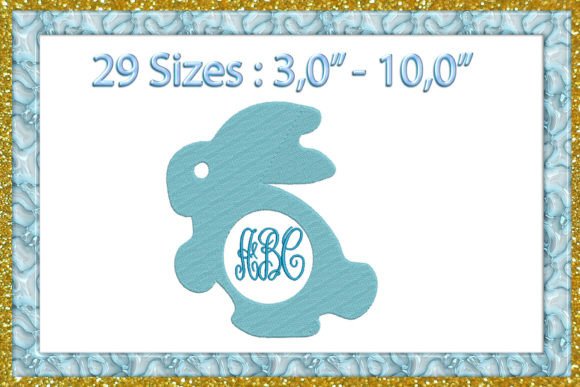
The initial visual impact of the Bunny Monogram Frame is undeniably friendly and decorative. In a market saturated with rigid, corporate logos, there is a growing demand for designs that feel handmade and approachable. This design achieves that balance by offering a structured frame that houses a whimsical bunny motif. For a business owner, this duality is powerful. It suggests professionalism through the monogram structure while injecting personality through the animal element. However, from a technical standpoint, I immediately looked at the line weights and spacing. A design that is too intricate can lose definition when scaled down, while one that is too simple may lack the perceived value needed for premium pricing.
Strategic Applications for Small Business Merchandise
When evaluating a digital embroidery file for commercial use, versatility is key. The Bunny Monogram Frame offers several avenues for integration into a brand’s physical assets. Here is how I envision this design performing in real-world scenarios:
- Embroidered Patches: This is perhaps the strongest application. By stitching the design onto twill or felt and cutting it out, businesses can create iron-on or sew-on patches. These are excellent for adding a temporary branded element to denim jackets, tote bags, or laptop sleeves without committing to permanent embroidery on expensive garments.
- Staff Uniforms and Aprons: For bakeries, florists, or pet grooming salons, staff apparel serves as a walking billboard. Placing this design on the chest pocket of an apron or the sleeve of a work shirt adds a touch of charm that aligns with customer-facing hospitality roles. It softens the uniform, making staff appear more approachable.
- Tote Bag Design: Canvas tote bags are a staple for retail shops. The frame aspect of the design provides a natural border that looks intentional and finished. It works well as a central focal point, drawing the eye and reinforcing brand recognition every time the bag is used in public.
- Cap Embroidery: While possible, this requires careful consideration. The curved surface of a cap front can distort wide designs. If the Bunny Monogram Frame is narrow enough, it can serve as a subtle side-panel detail or a small front-center logo, but scaling must be precise to avoid puckering.
Technical Considerations and Fabric Compatibility
Before running a production batch, any serious crafter or apparel decorator must address the technical limitations of the design. The product description notes that this is a cute embroidery design for fabrics that need a lovely look, but it does not specify stitch count or density. This omission is critical for business use.
Stitch density determines how the thread lays on the fabric. If the density is too high, the fabric may pucker, especially on lightweight materials like onesies or thin cotton tees. Conversely, if the density is too low, the backing material might show through, ruining the aesthetic. I recommend testing the embroidery file on a scrap piece of the exact fabric you intend to use. For darker uniforms, ensure that the thread colors provide sufficient contrast. A pastel bunny on a navy blue shirt may vanish unless underlay stitches are properly configured.
Another crucial factor is the hoop size. You must confirm that the design fits within your machine’s maximum hoop dimensions. If you plan to use this on larger items like tote bags or aprons, ensure the design scales up without becoming pixelated or losing structural integrity. Always use the appropriate stabilizer—cut-away for stretchy fabrics and tear-away for stable wovens—to maintain the shape of the monogram frame during washing and wear.
Impact on Brand Identity and Customer Trust
Why does the choice of a specific design matter for brand identity? Consistency builds trust. When a customer sees the same high-quality Bunny Monogram Frame on a product tag, a thank-you card, and a staff apron, it creates a cohesive visual language. This consistency signals professionalism and attention to detail. For handmade brands and Etsy sellers, this level of polish differentiates them from hobbyists. It elevates the finished product from a simple item to a branded experience.
Moreover, using a recognizable motif like a bunny can evoke specific emotions—warmth, care, and nostalgia. For businesses in the baby, pet, or home decor sectors, these emotional connections drive buyer engagement. Customers are more likely to share photos of their purchases on social media if the branding is visually appealing and photogenic. A well-executed custom apparel piece featuring this design can become a conversation starter, indirectly marketing your business to a wider audience.
Practical Designer Notes for Implementation
To ensure the best results when integrating the Bunny Monogram Frame into your product line, follow these practical steps:
- Test in Black and White First: Before selecting thread colors, stitch the design out in black thread on white fabric. This helps you evaluate the clarity of the lines and the spacing between the bunny and the frame without the distraction of color.
- Check Scalability: Resize the design to its smallest intended use, such as a small patch or label. Inspect it closely to ensure that fine details do not merge together. If the text in the monogram becomes illegible, the design may not be suitable for tiny applications.
- Create a Printable Mockup: Use digital tools to place the design on images of your actual products. This allows you to visualize the proportion and placement before committing to physical sampling. Share this printable mockup with clients for approval if you are doing custom work.
- Verify Commercial Licensing: The product description mentions it comes with certain attributes, but it is vital to read the full license agreement. Confirm that you have the right to use the design assets for physical goods sold for profit. Some licenses restrict the number of units you can produce or prohibit use on certain types of merchandise.
- Evaluate Fabric Texture: Textured fabrics like terry cloth or heavy canvas can obscure detailed embroidery. Test the design on various textures to see how the threads interact with the weave. You may need to adjust pull compensation or use a topping stabilizer for plush fabrics.
In conclusion, the Bunny Monogram Frame is a versatile asset for small business merchandising when used strategically. It bridges the gap between playful aesthetics and professional branding. By paying attention to technical details like thread colors, stabilizer choice, and scaling, you can transform this simple Farm Animals themed design into a powerful tool for building brand loyalty and enhancing product value. Always prioritize quality control and licensing compliance to protect your business reputation and ensure long-term success in the competitive world of commercial embroidery.