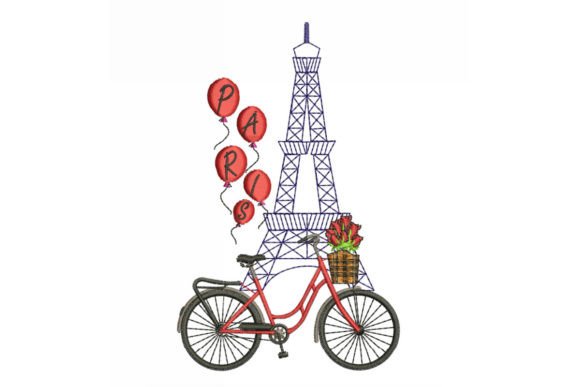
Eiffel Tower and Bike: A Designer’s Stitch Review
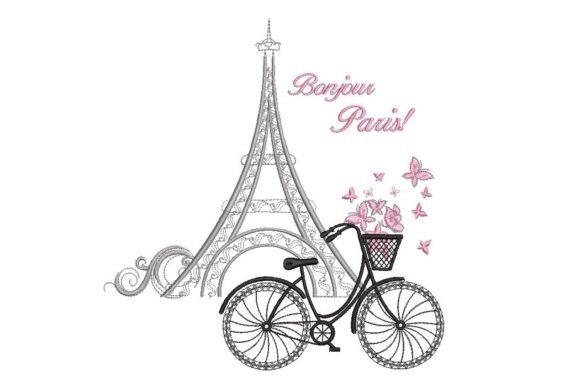
When I first pulled up the Eiffel Tower and Bike file on my design software, I wasn’t looking for just another generic Parisian motif. As a designer who spends hours tweaking stitch paths and testing tension on various fabrics, I look for balance. Does the composition breathe? Will the details hold up under the needle? This particular design caught my eye because it moves beyond the typical static landmark shot. By integrating a bicycle into the frame, it adds movement and a narrative layer that feels distinctly romantic yet modern.
This isn’t just a picture of a tower; it is a mood piece. For those of us running small shops or creating handmade products, the emotional connection a customer feels with a design is often what drives the sale. The silhouette suggests a leisurely ride along the Seine, evoking nostalgia and charm. It fits perfectly within the broader theme of Europe-inspired decor but manages to feel personal rather than touristy.
Real-World Application: The Tote Bag Test
To truly evaluate an embroidery design, you have to imagine it on a finished product. I recently considered this file for a custom order of canvas tote bags intended for a boutique bookshop in Seattle. The client wanted something artistic but not overly feminine, suitable for a wide demographic.
The Eiffel Tower and Bike worked exceptionally well here. The verticality of the tower balances the horizontal spread of the bike, creating a compact footprint that doesn’t overwhelm the bag’s surface. When stitched out on a medium-weight cotton canvas with a cut-away stabilizer, the lines remained crisp. The interplay between the structural elements of the tower and the curved wheels of the bike provided a nice visual rhythm. Customers didn’t just see a landmark; they saw a lifestyle. That distinction is crucial for Etsy sellers and craft business owners trying to differentiate their small shop products from mass-produced imports.
Stitching Performance and Technical Considerations
From a technical standpoint, this design requires attention to detail. While the prompt notes that the file comes with multiple embroidery options, the success of the final output depends heavily on your setup. Here is what I observed when considering the stitch types likely involved in such a silhouette-heavy design.
- Stitch Density: Designs featuring intricate structures like the Eiffel Tower often rely on a mix of fill stitch for larger areas and running stitch or satin stitch for outlines. If the density is too high in the tower’s lattice work, you risk thread breaks or fabric puckering. Always check the density settings in your software before hitting start.
- Thread Colors: Contrast is key. On a dark navy tote, using a metallic gold or bright white thread makes the design pop. However, on a light beige linen, a subtle grey or muted blue might offer a more sophisticated, understated look. Test your thread colors against your specific fabric texture.
- Hoop Size: Ensure your hoop size accommodates the full width of the bike and tower combined. Crowding the design near the hoop edge can lead to distortion, especially on stretchy fabrics.
For those interested in commercial embroidery, consistency is vital. If you are producing a batch of twenty sweatshirts, you need to ensure that the registration remains tight across all units. This design’s linear elements make any misalignment obvious, so proper hooping and stabilizer selection are non-negotiable.
Fabric Choices and Placement Strategy
Not every fabric is created equal for this type of embroidery project. I would hesitate to use this design on very thin, slippery silks without extensive backing support. The weight of the stitches could pull the fabric out of shape. Instead, I recommend stable woven fabrics like denim, twill, or heavy cotton blends.
For custom apparel like sweatshirts, place the design on the left chest for a classic look, or center it on the back for a bold statement. If you are making a personalized gift such as a baby item, consider scaling the design down significantly. However, be cautious: shrinking complex designs too much can cause the smaller details of the bike spokes or tower beams to merge into a solid blob of thread. Always stitch a test run on scrap fabric first.
If you are venturing into embroidered patch creation, this design is a strong candidate. The clear outlines translate well to merrowed edges, and the iconic imagery has broad appeal. Patches are also a great way to utilize this design if you want to avoid stitching directly onto delicate garments.
Commercial Viability and Branding
For digital product sellers and creative entrepreneurs, the versatility of Eiffel Tower and Bike is a major asset. It fits seamlessly into seasonal campaigns, particularly for Valentine’s Day or spring travel themes. But its appeal isn’t limited to holidays. It works year-round for anyone with an affinity for travel, art, or French culture.
When creating printable mockups for your online store, show the design in context. Display it on a cozy pillow cover, a stylish apron, or a chic cap. Help the buyer visualize the finished product in their home or wardrobe. This increases perceived value and reduces hesitation. Remember, you are selling not just an embroidery file, but the potential for a beautiful, tangible item.
Before listing any items made with this design, confirm the licensing terms. Some digital embroidery files allow for unlimited commercial use of finished physical goods, while others may have restrictions on digital resale or mass production. Protect your craft business by reading the fine print.
Final Verdict for Makers
The Eiffel Tower and Bike is more than just a decorative element; it is a storytelling tool. Its strength lies in its ability to evoke a specific, romantic atmosphere while maintaining a clean, stitchable structure. For the experienced designer, it offers a satisfying challenge in color selection and placement. For the hobbyist, it provides a professional-looking result that elevates simple items like tea towels or tote bags into cherished keepsakes.
Whether you are decorating a nursery, branding a boutique, or creating a unique holiday embroidery gift, this design holds up under scrutiny. Just remember to respect the technical requirements: stabilize well, choose contrasting threads, and always test before committing to your final fabric. With careful execution, this piece of Embroidery art will become a standout feature in your portfolio.