Green Garden Border: A Designer’s Practical Review
As an embroidery designer who has spent countless hours digitizing, testing, and stitching out files for clients, I have developed a keen eye for what works in the real world. It is one thing to see a design look pretty on a screen; it is another entirely to watch it pull through fabric, interact with thread tension, and survive a wash cycle. Recently, I had the opportunity to evaluate Green Garden Border, a machine embroidery design that promises versatility across women’s fashion and home decor. After putting it through its paces on various materials, I want to share my honest assessment of how this piece performs in actual production environments.
First Impressions and Visual Personality
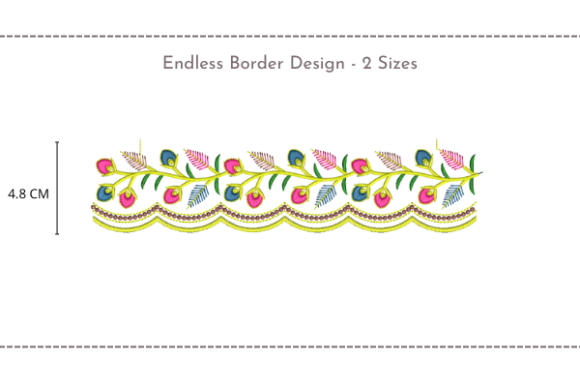
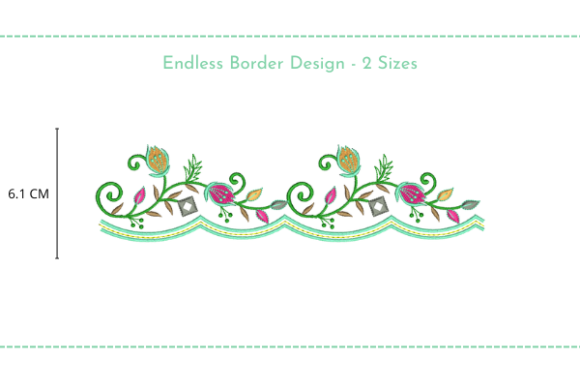
The first thing that strikes you about Green Garden Border is its organic flow. Unlike rigid geometric borders that can feel stiff or industrial, this design carries a natural, whimsical mood. The layout suggests a hand-drawn quality, which is increasingly popular among Etsy sellers and boutique owners looking to differentiate their handmade products from mass-produced goods. The visual personality is soft yet defined, making it suitable for projects that require a touch of elegance without appearing overly formal.
From a technical standpoint, the balance between open space and stitched areas seems well-considered. In border designs, overcrowding is a common pitfall that leads to puckering and fabric distortion. This design appears to respect the negative space, allowing the fabric texture to breathe between the elements. For embroidery designers, this means less time spent tweaking density settings and more confidence in the final output.
Real-World Application: The Tote Bag Test
To truly understand the utility of this embroidery file, I applied it to a custom tote bag project. Tote bags are a staple for small shop products and craft fair merchandise, but they present unique challenges due to the weight of the canvas and the potential for shifting during stitching. I chose a medium-weight cotton canvas and paired the design with a cut-away stabilizer to ensure longevity.
The result was impressive. The Green Garden Border ran smoothly along the bottom hem, creating a framed effect that elevated the simple bag into a premium item. The stitch clarity remained sharp, even on the textured surface of the canvas. This experience confirmed that the design is not just decorative but functional for commercial embroidery projects where durability matters. Customers are likely to perceive such attention to detail as a sign of quality, enhancing brand consistency and trust.
Versatility Across Product Lines
Beyond tote bags, this design shows promise in several other categories. For apparel decorators, it works beautifully as a hem accent on women’s fashion clothes, such as linen dresses or casual tunics. The organic shape complements the drape of soft fabrics, adding a personalized gift element to ready-to-wear items. In home decor, I envision this border enhancing cushion covers and table cloths. When used on bed sheets, it adds a subtle, sophisticated touch that appeals to buyers seeking understated luxury.
For those running a craft business, the adaptability of this design is a major asset. It can be scaled down for smaller hoop sizes to create embroidered patches or scaled up for larger statements on blankets and nursery decor. The ability to use one digital embroidery file across multiple product lines helps streamline workflow for creative entrepreneurs and digital product sellers.
Technical Considerations and Fabric Choices
While Green Garden Border is versatile, it is not without its limitations. As with any embroidery project, fabric choice plays a critical role. On thin or stretchy fabrics, such as jersey knits used in sweatshirt embroidery or baby clothes, proper stabilization is non-negotiable. I recommend using a tear-away stabilizer for woven fabrics and a cut-away for knits to prevent distortion. Without adequate support, the fill stitch areas could cause the fabric to pucker, ruining the clean lines of the border.
Dark fabrics also require careful planning. If you are stitching on navy or black material, ensure your thread colors have sufficient contrast. A satin stitch may pop beautifully, but finer running stitch details might get lost if the thread sheen does not catch the light correctly. I always advise testing the design on scrap fabric first, especially when working with new thread brands or unfamiliar materials. This step saves time and reduces waste, which is crucial for maintaining profitability in a small business.
Navigating Curved Surfaces and Corners
One area where border designs often struggle is on curved surfaces like caps or hats. While Green Garden Border has a fluid shape, applying it to a structured cap requires precise hooping and potentially breaking the design into segments if the curve is too aggressive. For flat items like aprons or kitchen towels, however, it lays perfectly. Be cautious when placing the design near corners of pillow covers or table linens. Ensure there is enough margin so that the stitching does not get caught in seams or hems during assembly.
Enhancing Product Value and Customer Appeal
From a business perspective, the right design can significantly boost buyer engagement. Green Garden Border offers a level of professionalism that resonates with customers looking for high-quality handmade products. Whether used for holiday embroidery gifts, wedding presents, or everyday items, the design conveys care and craftsmanship. For Etsy sellers, this translates into better reviews and repeat customers.
When creating printable mockups or digital product previews, this design photographs well. The distinct shapes and balanced density make it easy to showcase in lifestyle images, helping potential buyers visualize the finished product. This visual appeal is essential for online sales, where customers cannot touch the item before purchasing.
Final Designer Notes
Before integrating Green Garden Border into your workflow, take a moment to review the specific technical details provided with the download. Check the recommended hoop size to ensure it fits your machine’s capabilities. Verify the stitch density to see if adjustments are needed for your specific fabric type. Most importantly, confirm the licensing terms. While many designs allow for commercial use on physical finished products, rules regarding the resale of the digital embroidery file itself vary. Always respect intellectual property rights to maintain integrity in the embroidery community.
In summary, Green Garden Border is a reliable and aesthetically pleasing addition to any designer’s library. It bridges the gap between artistic flair and practical application, making it suitable for a wide range of embroidery projects. By paying attention to fabric preparation, stabilizer choice, and placement, you can leverage this design to create stunning, marketable items that stand out in a crowded marketplace. Whether you are a hobbyist making personalized gifts or a seasoned professional managing large orders, this border offers the flexibility and quality needed to succeed.