Margaritas Roller Applique: A Designer’s Review
As an embroidery designer who has spent years digitizing files for small business merchandise and branded patch use, I approach every new machine embroidery design with a critical eye. It is not just about whether a motif looks cute on a screen; it is about how it performs under the needle, how it holds up after washing, and most importantly, how it elevates a brand. Recently, I reviewed the Margaritas Roller Applique, a digital file that immediately caught my attention for its potential in the hospitality and lifestyle sectors. This review breaks down why this specific design is a strong contender for your next commercial embroidery project.
First Impressions: Visual Personality and Brand Fit
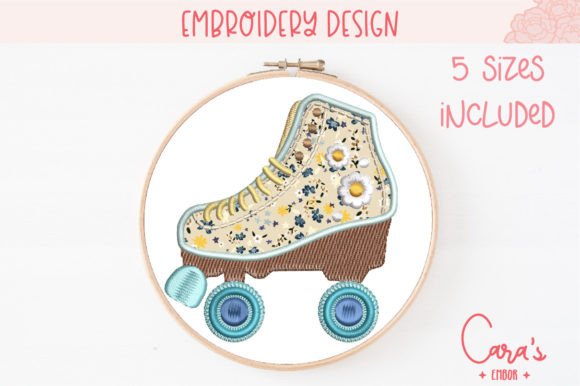
The first thing you notice about the Margaritas Roller Applique is its playful yet polished aesthetic. In the world of Hobbies and creative crafts, there is often a fine line between amateurish clip-art and professional design assets. This design leans heavily into the latter. It feels friendly, bold, and distinctly modern, making it an excellent choice for brands that want to project a relaxed, fun, and welcoming vibe.
For a café, boutique, or handmade shop, visual consistency is key. This design does not scream "rustic" in a messy way, nor does it feel overly corporate. Instead, it strikes a balance that works well for businesses selling experiences—think beach bars, summer pop-up shops, or creative studios offering weekend workshops. The applique technique itself suggests a layered, textured look that adds depth without excessive stitch density, which is crucial for maintaining fabric integrity on lighter materials.
Real-World Applications for Small Business Merch
When evaluating a digital embroidery file for commercial use, I always ask: where can this live? The Margaritas Roller Applique is versatile enough to serve multiple functions within a product line. Here is how I envision it performing in real business scenarios:
- Embroidered Patches: This is perhaps the strongest use case. The design’s shape lends itself well to die-cut or merrowed edge patches. These can be sold as standalone accessories or applied to denim jackets and canvas bags, creating high-margin small business merch.
- Staff Uniforms and Aprons: For a beverage-focused business, placing this design on the chest pocket of an apron or the sleeve of a work shirt creates instant team cohesion. It acts as a subtle badge of pride for staff while reinforcing brand identity to customers.
- Cap Embroidery: While curved surfaces are tricky, the compact nature of this applique makes it suitable for the side panel or even the front of a structured cap, provided the size is adjusted correctly within the recommended limits.
- Tote Bag Design: Canvas totes are a staple for eco-conscious brands. The contrast of colorful thread against natural cotton creates a striking finished product that customers love to carry around, effectively turning them into walking billboards.
Technical Performance and Design Integrity
One of the most critical aspects of any professional review is technical reliability. The product description for Margaritas Roller Applique states clearly: "Resizing or editing of the designs is not recommended and the quality of the designs cannot be guaranteed if you alter them in any way. This design has been tested and reviewed to ensure top quality."
From a designer’s perspective, this is both a warning and a reassurance. It means the digitizer has optimized the stitch path, pull compensation, and underlay specifically for the intended size. Altering the dimensions can disrupt the balance between the satin stitches and the applique fabric, leading to gaps or puckering. Therefore, when using this for commercial embroidery, you must trust the original sizing. If you need a smaller version for a tiny label, do not simply shrink the file in your software. Instead, look for a multi-size pack if available, or choose a different design scaled for that purpose.
The stitch density appears balanced for standard apparel fabrics. However, because it is an applique, the bulk comes from the fabric layer rather than just thread. This is advantageous for large areas of color, as it reduces stitch count and production time, but it requires precise cutting of the applique fabric. For best results, use a sharp pair of embroidery scissors or a laser cutter if you are producing in bulk.
Where to Use Caution
While the design is robust, there are specific contexts where you should proceed with care. Do not attempt to use this on highly textured fabrics like thick wool or terry cloth without extensive testing, as the applique edges may not lay flat. Additionally, avoid placing it on items that undergo industrial-grade harsh washing unless you have secured the edges with a tight merrow border or sufficient satin stitching.
If you are considering this for custom apparel made from stretchy performance fabrics, ensure you use the correct stabilizer. A cut-away stabilizer is generally recommended for garments that will be washed frequently, while tear-away might suffice for decorative tote bags that see less wear. Always check the thread colors against your base fabric. High contrast is good for visibility, but ensure the applique fabric color complements the garment rather than clashing with it.
Enhancing Brand Identity and Customer Trust
Using a high-quality, tested design like Margaritas Roller Applique directly impacts customer perception. When a buyer sees clean lines, secure stitching, and a well-executed applique, they associate those qualities with the brand itself. It signals professionalism and attention to detail. For Etsy sellers and crafters, this translates to higher perceived value, allowing you to price your handmade product more competitively.
Moreover, consistent use of such design assets across various touchpoints—patches, packaging accents, and staff wear—builds recognition. A customer might buy a tote bag because they liked the design, then return for a cap because they recognize the same artistic style. This visual consistency is a powerful tool for building loyalty in the competitive landscape of Embroidery and handmade goods.
Practical Designer Notes for Production
Before running a full production batch, follow these steps to ensure success:
- Test on Real Fabric: Never skip the sample stitch-out. Use the exact fabric and stabilizer combination you plan to use for the final product.
- Check Hoop Size: Confirm that your machine’s hoop size accommodates the design without needing to re-hoop, which can cause alignment issues.
- Create a Printable Mockup: Use a printable mockup to show clients or stakeholders how the design will look on different colored garments before committing to thread purchases.
- Verify Licensing: Ensure your purchase of the embroidery file includes commercial rights. Most designers allow small business use, but always read the terms to avoid legal issues.
- Inspect Spacing: Look closely at the transition between the satin border and the applique fabric. There should be no visible gaps or loose threads.
In conclusion, the Margaritas Roller Applique is a reliable, stylish, and commercially viable asset for any small business looking to add a touch of personality to their merchandise. By respecting the design’s technical constraints and leveraging its visual appeal, you can create products that not only look great but also strengthen your brand’s presence in the market.