Reviewing Live Love Bake Kitchen for Craft Fairs
As an embroidery designer who has spent countless weekends behind a booth table, I know that not every design translates into a bestseller. When I first pulled up the Live Love Bake Kitchen file on my screen, I was looking for that specific spark that turns a casual browser into a committed buyer. This machine embroidery design immediately struck me as a versatile contender for any cooking-related project. It carries a warmth that feels both inviting and professional, making it an ideal candidate for handmade market products.
First Impressions and Market Appeal
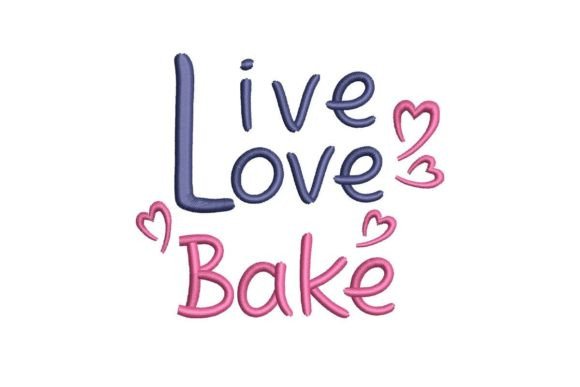
The phrase "Live Love Bake" is more than just text; it is a lifestyle statement for home cooks and baking enthusiasts. In the context of a busy craft fair, clarity is king. This design reads clearly from a distance, which is crucial when customers are walking past your display. It does not feel overly rustic or aggressively modern; instead, it sits comfortably in a sweet spot that appeals to a broad demographic. Whether your brand leans toward farmhouse chic or clean minimalism, this embroidery file adapts well. It feels decorative yet functional, suggesting a premium quality that justifies a higher price point for your small shop product.
Product Versatility and Application
One of the strongest assets of Live Love Bake Kitchen is its adaptability across various substrates. I evaluated how this design would perform on several key items that typically drive sales at weekend markets.
- Apron Embroidery: This is perhaps the most natural fit. Placed on the bib or the lower corner of a high-quality cotton apron, the design becomes a focal point that celebrates the wearer’s passion. It transforms a utility item into a giftable keepsake.
- Tote Bag Design: Canvas tote bags are staples at craft fairs. The design scales beautifully here, offering enough presence to be noticed without overwhelming the fabric. It creates an instant connection with shoppers carrying their own reusable bags.
- Tea Towel Embroidery: For a quicker production item, tea towels are excellent. However, care must be taken with the fabric texture. A smooth linen or cotton blend works best to ensure the stitches lay flat and the lettering remains crisp.
- Embroidered Patch: Creating iron-on or sew-on patches allows you to offer a lower-priced entry point. Customers can buy the patch to customize their own existing gear, expanding your potential customer base beyond those who want a finished product.
Beyond these, consider pillow covers for a cozy home decor angle or caps for a casual look. The design’s balance makes it suitable for framed embroidery art as well, appealing to buyers looking for wall decor rather than wearable items.
Production Practicalities for the Busy Maker
When preparing for a craft fair, batch production efficiency is vital. Live Love Bake Kitchen appears to be designed with practicality in mind. The stitch density seems balanced, avoiding excessive bulk that could pucker lighter fabrics while still providing enough coverage to look substantial. For an Etsy seller or boutique maker, this means fewer ruined blanks and faster turnover times.
Photography is another critical factor. This design photographs exceptionally well because of its clear lines and likely thoughtful use of thread colors. When creating your printable mockup or digital listing images, ensure you highlight the texture of the stitches against the fabric. A well-lit photo of this design on a textured tea towel or a structured cap can significantly boost online engagement.
Careful-Use Notes and Technical Considerations
While the design is robust, there are technical nuances to consider before running a large batch. Always check the specific details of the digital embroidery file provided by the designer, such as the exact hoop size and stitch count, as these were not explicitly detailed in the brief description.
- Fabric Texture: Avoid highly textured towels like waffle weave unless you use a strong cut-away stabilizer. The tiny details in the lettering may get lost if the fabric surface is too uneven.
- Curved Surfaces: If embroidering on caps, ensure you have the proper fixture. The curvature can distort the text if the hooping is not precise. Test on a scrap cap first to check for spacing issues.
- Dark Fabric: If you plan to offer this on dark-colored aprons or bags, verify that the design includes underlay stitches sufficient to prevent the background fabric from showing through the top stitches. You may need to adjust thread colors for optimal contrast.
- Small Sizes: Do not scale this design down too small for keychains or tiny pouches. The legibility of "Live Love Bake" depends on maintaining a minimum size where the letters do not merge.
Enhancing Brand Consistency and Value
Using Live Love Bake Kitchen consistently across your product line can strengthen your brand identity. Imagine a booth display where the same design appears on aprons, matching tea towels, and decorative pillows. This visual repetition creates a cohesive look that signals professionalism and attention to detail. It helps customers visualize a complete set, often leading to multiple-item purchases.
The perceived value of handmade products increases when the embroidery looks clean and intentional. This design supports that perception by offering a polished finish that rivals retail quality but retains the charm of a handmade product. For commercial embroidery applications, ensuring you have the correct license is paramount. Always confirm commercial licensing terms before selling finished products to protect your business.
Final Designer Recommendations
Before committing to a full production run, take the time to test the design on scrap fabric similar to your final blanks. Check thread contrast to ensure the message pops. Review the spacing between letters to guarantee readability. Create at least one real mockup to see how the design interacts with light and shadow in person. Compare different fabric colors to find the combinations that offer the highest visual appeal.
In conclusion, Live Love Bake Kitchen is a strong addition to any embroidery designer’s library. It offers the flexibility needed for diverse craft fair products, from practical aprons to decorative home goods. By paying attention to stabilizer choices, fabric textures, and presentation, you can maximize the sales potential of this design. It is not just an embroidery file; it is a tool for creating meaningful, sellable art that resonates with the heart of the home cook.