Siberian Husky Embroidery: A Designer’s Review
When I first pulled up the Siberian Husky embroidery file on my screen, I wasn’t just looking for a cute dog motif. As a designer who spends hours tweaking digitizing settings and testing thread tensions, I look for structural integrity and visual storytelling. This design, marketed under themes like "Husky Sibe Gifts" and "Chukcha," promises a realistic approach to dog art. My goal was to determine if this digital asset could hold up in a real-world commercial environment, specifically for clients who want more than just a cartoon outline.
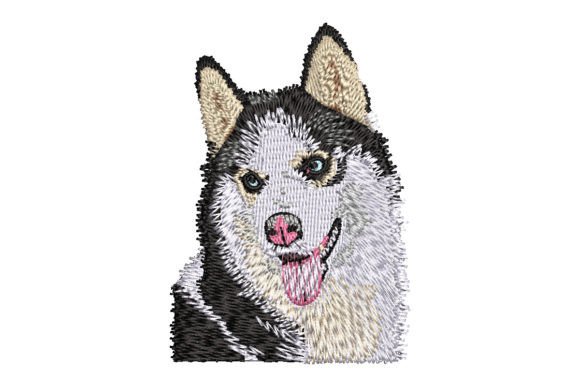
The immediate impression is one of character. The layout captures the distinct, alert expression that defines the breed. For those of us in the craft business, we know that selling Dogs themed items requires capturing the specific personality of the breed. A generic dog shape won’t sell to a dedicated Husky owner. This design leans into the realistic aesthetic, using varied stitch directions to mimic fur texture rather than relying solely on flat fill stitches. It feels alive, which is crucial when you are trying to convince a customer that their custom apparel or home decor item is worth the premium price.
Real-World Application: The Custom Tote Test
To truly evaluate an embroidery file, you have to take it out of the software and put it on fabric. I decided to test this design on a heavy-weight canvas tote bag. This is a popular item for small shop products and boutique branding. The challenge with canvas is its coarse weave, which can sometimes swallow fine details. However, the Siberian Husky design performed surprisingly well. The contrast between the dark facial markings and the lighter fur areas remained sharp.
I used ISACORD 40 weight thread, as suggested by the color map provided with the design. The colors translated accurately, maintaining the cool, icy tones associated with the breed. For Etsy sellers and handmade product creators, this reliability is vital. You do not want to spend twenty minutes hooping and stitching only to find that the thread colors clash or look muddy on the final product. The visual appeal here supports high perceived value, making it an excellent choice for personalized gifts or holiday embroidery projects where presentation matters.
Navigating Fabric and Hoop Constraints
While the design shines on stable fabrics like denim, canvas, or twill, it requires careful consideration when applied to trickier materials. If you are planning to use this for sweatshirt embroidery or baby clothes, pay close attention to the stitch density. Realistic fur effects often require a higher density of fill stitches to create depth. On stretchy fabrics, this can lead to puckering if you do not use the correct stabilizer. I recommend a cut-away stabilizer for garments that will be washed frequently, ensuring the design retains its shape over time.
Another critical factor is hoop size. Before purchasing or downloading any digital embroidery file, always confirm the available sizes. This particular design needs enough space to breathe. Cramping it into a small 4x4 inch hoop might cause the finer details of the eyes and nose to merge, losing that realistic impact. For curved surfaces like caps or hats, I would advise caution. The detailed corners and dense areas might not lay flat on a structured cap without significant push-pull compensation. It is better suited for flat panels or larger, stable areas like the back of a jacket or a pillow cover.
Commercial Viability and Brand Consistency
For creative entrepreneurs and digital product sellers, the versatility of this design is a major asset. It fits seamlessly into various niches: from nursery decor for dog-loving parents to rugged outdoor gear for adventurers. When building a brand consistency, having a high-quality, realistic animal design allows you to charge more than you would for a simple clip-art style image. Customers trust professionalism, and a clean, well-digitized finished product builds that trust.
However, always check the licensing terms. While many designers allow the sale of finished physical items, restrictions may apply to digital redistribution. Ensure you understand whether you can use this as a standalone design asset or if it is intended strictly for end-product creation. For apparel decorators, this means you can confidently offer custom hoodies or aprons featuring the Siberian Husky, but you should not resell the embroidery file itself unless explicitly permitted.
Practical Designer Notes for Best Results
Before running a full production batch, follow these steps to ensure quality control:
- Test on Scrap Fabric: Always stitch out a sample on the exact material you plan to use for the final product. This helps you identify any tension issues or thread breaks.
- Check Thread Contrast: While the ISACORD 40 color map is a great starting point, view your thread spools against the fabric. On dark fabrics, you may need to add a layer of white underlay or adjust the top thread shades to ensure the Husky’s features pop.
- Review Stitch Density: If your machine struggles with thick layers, consider reducing the density slightly in your editing software, though be careful not to lose the fur texture definition.
- Inspect Small Details: Zoom in on the eyes and nose in your preview software. These are the focal points. Ensure there are no excessive jump stitches or confusing pathing that could cause thread nests.
- Mockup in Black and White: Convert your preview to grayscale to check value contrast. If the design looks flat in black and white, it may lack depth in real life, regardless of color choices.
In conclusion, the Siberian Husky embroidery design is a strong contender for makers who prioritize realism and emotional connection in their work. It moves beyond basic clip-art, offering a nuanced portrayal that appeals to serious dog lovers. Whether you are creating a one-off personalized gift for a friend or stocking your Etsy shop with high-end embroidered patches and tote bags, this design delivers the professional finish customers expect. Just remember to respect the technical requirements of the stitch count and fabric type, and you will see the animal come to life exactly as intended.