Sloth LGBT Kawaii Design Review for Merch
As an embroidery designer who has spent years digitizing and reviewing files for commercial use, I approach every new machine embroidery design with a critical eye. It is not enough for a graphic to look cute on a screen; it must translate flawlessly into thread, withstand the rigors of washing, and serve a strategic purpose for the brand using it. Today, I am reviewing the Sloth LGBT Kawaii Cute Animal Gay Pride design, specifically evaluating its potential for small business merchandise, branded patches, and custom apparel.
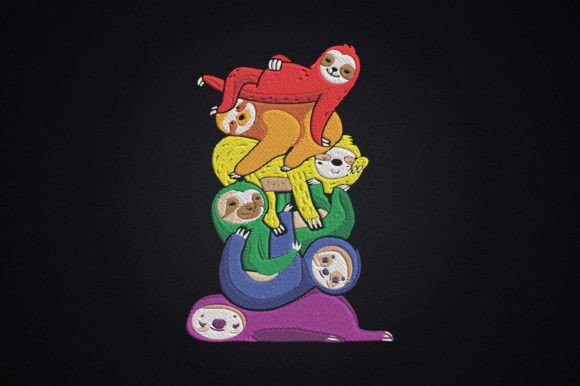
The first impression of this design is undeniably playful and welcoming. The "kawaii" aesthetic suggests soft curves, approachable characters, and a friendly vibe that aligns perfectly with brands aiming to project inclusivity and warmth. For businesses in the Awareness category or those looking to support LGBTQ+ pride through their product lines, this design offers a gentle yet bold statement. It does not scream for attention with aggressive typography but rather invites engagement through charm. This makes it an excellent candidate for boutique retailers, creative studios, and handmade brands that prioritize community connection.
Real-World Applications for Small Business Merch
When considering how Sloth LGBT Kawaii Cute Animal Gay Pride performs in real business scenarios, versatility is key. The description notes that it complements t-shirts, dresses, scarves, and home decor, but let us dig deeper into specific commercial applications.
- Embroidered Patches: This is perhaps the strongest use case. A kawaii sloth works beautifully as an iron-on or sew-on patch. Patches allow customers to customize their own jackets or bags, increasing the perceived value of the finished product. For Etsy sellers, offering this as a standalone patch alongside other design assets can boost average order value.
- Staff Uniforms and Aprons: For cafés, bakeries, or florists that want to show support for pride without overwhelming their brand identity, this design serves as a perfect chest accent. An apron embroidery featuring this sloth adds a touch of personality to staff uniforms, making employees feel part of a supportive culture while signaling inclusivity to customers.
- Tote Bag Design: Canvas tote bags are a staple for craft fairs and boutique giveaways. The simple, bold shapes typical of kawaii art usually stitch out cleanly on textured canvas. This design can act as a central focal point, turning a basic bag into a desirable small business merch item.
- Cap Embroidery: Placing this design on the front or side of a cap requires careful scaling. If the details are too fine, they may get lost on the curved surface. However, if the digitization respects the curvature, it can create a trendy, subtle nod to pride month.
Evaluating Visual Personality and Brand Identity
Your brand identity is built on consistency and trust. Using a design like Sloth LGBT Kawaii Cute Animal Gay Pride signals that your business is modern, empathetic, and attentive to cultural moments. It moves beyond generic pride flags to offer something unique and memorable. This specificity helps with customer recognition. When a buyer sees this distinct sloth character, they associate it with your shop’s unique voice rather than a mass-produced commodity.
However, professionalism matters. The design must look intentional, not slapped on. For high-end boutiques, ensure the thread colors are sophisticated. Instead of neon brights, consider muted pastels or classic rainbow tones that complement your existing color palette. This ensures the custom apparel feels premium rather than novelty-grade.
Technical Considerations and Production Notes
Before running this digital embroidery file on your production machines, there are several technical factors to address. The product description states it comes with multiple embroidery file formats, which is essential for compatibility across different machine brands. However, it does not specify exact stitch counts or recommended hoop sizes. As a responsible designer, I advise you to check these details in the included documentation before purchasing or producing.
- Test on Real Fabric: Always stitch a sample on the actual material you intend to use. Kawaii designs often rely on smooth fills. If you are using a textured fabric like terry cloth or heavy denim, the details might sink in or distort.
- Stabilizer Selection: Choose the right stabilizer based on the fabric stretch. For t-shirts, a cut-away stabilizer is usually best to prevent puckering around the sloth’s outline. For woven fabrics like tote bags, a tear-away may suffice.
- Thread Color Contrast: Review the color sequence. Ensure there is enough contrast between the sloth and the background fabric. If you are embroidering on dark uniforms, you may need to add an underlay or adjust the thread colors to maintain visibility.
- Small Patch Sizes: If you plan to use this for tiny labels or small patches, check the stitch density. High density can cause perforation in small areas, while low density might leave gaps. Test at the smallest intended size to ensure clarity.
Where to Use Caution
While this design is versatile, it is not suitable for every application. Avoid using it on items that require frequent, industrial laundering unless you have tested its durability. Fine details in kawaii art, such as small eyes or subtle blush marks, can degrade over time if the stitch count is too low or the thread quality is poor. Additionally, be cautious with curved surfaces like the front of a baseball cap. If the design is too wide, it will distort. In such cases, consider splitting the design or choosing a simpler version if available.
Also, consider the context of commercial embroidery projects. If you are creating merchandise for a corporate client, ensure that the playful nature of the sloth aligns with their brand guidelines. While it is excellent for creative studios and local businesses, it might be too informal for conservative corporate environments.
Final Verdict for Merch Creators
The Sloth LGBT Kawaii Cute Animal Gay Pride design is a strong asset for any embroidery shop or handmade brand looking to expand their pride-themed offerings. It balances cuteness with meaningful representation, making it appealing to a broad audience. By treating it as a serious design element—testing it thoroughly, choosing high-quality threads, and placing it strategically on products like patches, aprons, and totes—you can create high-value items that resonate with customers.
Remember to create a printable mockup for client approval if you are doing custom work. This helps visualize how the design sits on the garment and allows for adjustments before stitching begins. Confirm commercial licensing terms explicitly, as this varies by seller. With proper execution, this design can become a signature piece in your portfolio, enhancing your design assets and driving engagement for your brand.