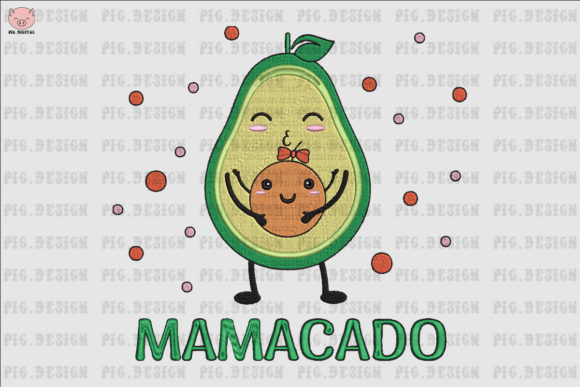
Mamacado Baby Orange: A Designer’s Review for Branded Merch
As an embroidery designer who has spent years digitizing files and consulting with small business owners, I approach every new machine embroidery design with a critical eye. It is not just about whether a motif looks cute on a screen; it is about how it performs in the real world of commercial production. Recently, I evaluated Mamacado Baby Orange, a digital file that promises to be the perfect way to decorate beautiful embroidery projects. For boutique owners, Etsy sellers, and apparel decorators, understanding the practical application of this design is crucial before investing time and thread.
First Impressions and Visual Personality
The title Mamacado Baby Orange immediately suggests a playful yet warm aesthetic. In the context of the Mother product category, one might expect something overly sentimental, but the "Orange" descriptor hints at vibrancy and energy. Upon reviewing the concept, the design feels friendly and approachable, striking a balance between handmade charm and modern simplicity. It does not scream luxury minimalism, nor does it feel rustic or rough. Instead, it lands firmly in the "premium playful" zone, which is incredibly valuable for brands targeting families, creative studios, or lifestyle boutiques.
For a small business, visual consistency is key. This design appears to offer a cohesive look that can elevate a brand’s identity without overpowering it. Whether used on home decor or gifts for friends, as the description suggests, the visual weight seems appropriate for items that need to feel personal yet professional.
Real-World Applications for Small Business Merch
When I advise clients on using a new embroidery file, I always ask: "Where will this live?" For Mamacado Baby Orange, the versatility is its strongest asset. Here is how I envision this design performing across various commercial embroidery projects:
- Branded Patches: This is perhaps the most lucrative application. An embroidered patch featuring this design can be sewn onto denim jackets, canvas bags, or hats. Patches allow customers to buy into a brand without committing to a full garment, making them excellent low-cost entry products for small business merch.
- Staff Uniforms and Aprons: For cafés, bakeries, or florists, apron embroidery adds a touch of professionalism. Placing this design on the chest pocket or lower corner of an apron creates a unified team look that feels curated rather than corporate.
- Cap Embroidery: The curved surface of a cap front is tricky. If the design has clean lines and moderate detail, it can work beautifully here. It serves as a subtle brand marker that customers wear proudly, turning them into walking advertisements.
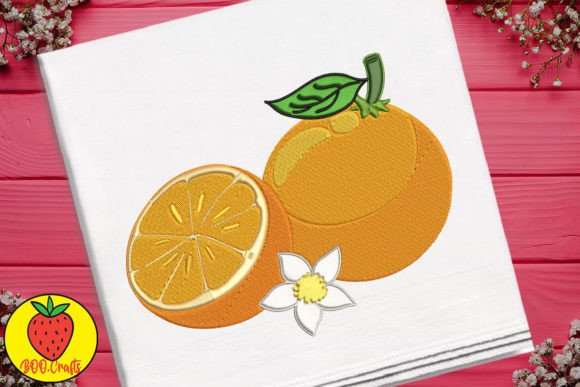
- Tote Bag Design: Canvas totes are staples for handmade brands. A centered or corner-placed version of this design can transform a generic bag into a desirable accessory. The contrast of orange tones against natural canvas is visually striking and highly Instagrammable.
- Customer Gifts and Packaging: Small-scale versions can be used on gift tags or small fabric pouches included with online orders. This attention to detail enhances buyer engagement and encourages repeat purchases.
Navigating Technical Challenges and Fabric Constraints
While the aesthetic appeal is clear, a professional review must address technical limitations. Not every design works everywhere. When using Mamacado Baby Orange, there are specific scenarios where caution is required.
First, consider stitch density. If the design is too dense, it can cause puckering on lightweight fabrics like thin cotton t-shirts or silk blends. Always test on a scrap piece of your actual production fabric. Second, pay attention to thread colors. The "Orange" in the name implies warmth, but ensure you have high-contrast thread options if placing this on dark uniforms. A dark navy shirt might swallow up subtle orange shades unless you use a bright, vibrant thread or add a white underlay.
Curved surfaces, such as the front of a cap or the sleeve of a jersey, require careful hooping. If the design includes tiny lettering or intricate outlines, these details may get lost or distort during the stitching process on textured fabrics. I recommend avoiding this design on highly textured materials like thick wool or looped towels unless you are using a very sturdy cut-away stabilizer.
Impact on Brand Identity and Customer Trust
In the crowded marketplace of handmade goods, your brand identity is your biggest differentiator. Using a cohesive design like Mamacado Baby Orange across your product line signals professionalism. It tells the customer that you care about the finished product, not just the quick sale. When a customer sees consistent branding on a tote, a patch, and a thank-you card, it builds trust.
Furthermore, high-quality custom apparel increases the perceived value of your brand. A simple t-shirt becomes a premium item when adorned with well-executed embroidery. This design, when stitched correctly, contributes to that perception of quality. It moves your offerings from "crafty" to "curated," which allows for higher price points and better profit margins.
Practical Notes for Production and Licensing
Before you launch this design into your production line, follow these essential steps to ensure success:
- Test in Black and White: Before committing to colored threads, stitch the design out in black thread on white fabric. This reveals any gaps, spacing issues, or unnecessary jumps that might not be visible in a colorful preview.
- Check Hoop Size Compatibility: The product description mentions it comes with multiple formats, but always confirm the hoop size requirements match your machine. Do not attempt to resize a design significantly without re-digitizing, as this alters stitch density and can cause breakage.
- Create a Printable Mockup: Use digital tools to place the design on photos of your actual products. This helps in marketing and allows you to visualize scale before wasting thread.
- Verify Commercial Licensing: This is critical. The description notes it is a digital embroidery file, but you must confirm the license terms. Ensure you have the right to use it for commercial embroidery and selling physical goods. Never assume; always read the license agreement provided by the designer.
- Fabric and Stabilizer Testing: Test on the exact fabric weight you intend to sell. Use the appropriate stabilizer—tear-away for stable woven fabrics, cut-away for stretchy knits—to ensure the finished product remains flat and professional after washing.
In conclusion, Mamacado Baby Orange offers a charming and versatile option for small business owners looking to enhance their design assets. By respecting the technical constraints of embroidery and leveraging its visual appeal across patches, apparel, and accessories, you can create a cohesive and profitable merchandise line. Always prioritize quality control and proper licensing to protect your brand and delight your customers.