Cute Elephant Boy: A Designer’s Review for Merch
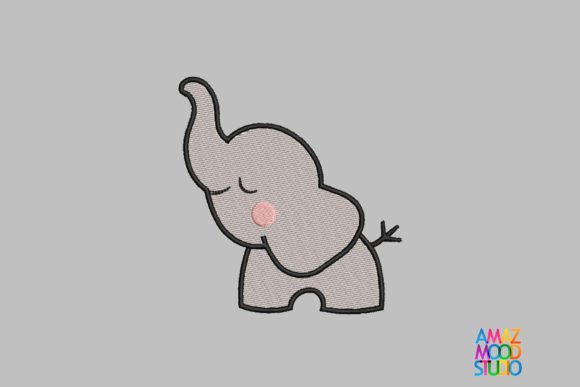
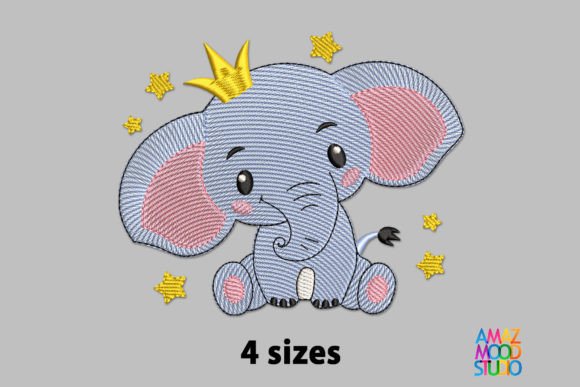
As an embroidery designer who has spent years digitizing and reviewing files for commercial use, I approach every new machine embroidery design with a critical eye. It is not enough for a design to simply look cute on a screen; it must perform under the needle, withstand washing, and elevate the brand it represents. Today, I am reviewing Cute Elephant Boy, a charming addition to the Baby Animals category, specifically evaluating its potential for small business merchandise and branded applications.
The initial impression of this design is undeniably friendly and approachable. The title suggests a playful aesthetic, and the description promises that this embroidery will add a lovely accent to any fabric. For boutique owners, Etsy sellers, and creative studios, this visual personality is a powerful asset. It does not scream corporate rigidity; instead, it offers a handmade, warm feel that builds immediate emotional connection with customers. However, charm alone does not make a viable commercial product. We must dig deeper into how this design functions in real-world production environments.
Visual Personality and Brand Alignment
When considering Cute Elephant Boy for your brand identity, ask yourself if your business values align with warmth, care, and playfulness. This design is ideal for businesses that want to appear accessible and nurturing. Think of local bakeries, florists, pet brands, or children’s boutiques. In these contexts, the design acts as more than just decoration; it serves as a visual handshake. It tells the customer that the business is thoughtful and detail-oriented.
For apparel decorators and merch creators, the "adorable" nature of the design can significantly boost buyer engagement. When used on custom apparel or handmade products, it transforms a generic item into a keepsake. The key here is consistency. If your brand is ultra-modern and minimalist, this design might clash. But for brands leaning into rustic, classic, or decorative aesthetics, Cute Elephant Boy fits seamlessly into the existing visual language.
Real-World Applications for Small Business Merch
The versatility of this embroidery file is one of its strongest selling points. Let us explore where it performs best in a commercial setting.
- Embroidered Patches: This is perhaps the most lucrative application. A well-digitized elephant design can be turned into iron-on or sew-on patches. These are perfect for adding value to plain tote bags, denim jackets, or even as standalone products in an online shop.
- Staff Uniforms and Aprons: For cafes and creative studios, staff uniforms are walking billboards. Placing Cute Elephant Boy on the chest pocket of an apron or the sleeve of a work shirt adds a touch of personality without overwhelming the professional look. It humanizes the staff and makes the business feel more welcoming.
- Cap Embroidery: Caps are high-margin items for small businesses. This design could work beautifully on the front panel of a dad hat or a baseball cap, provided the digitization respects the curved surface. It serves as a subtle brand mark that customers love to wear.
- Tote Bag Design: Reusable bags are essential for eco-conscious brands. Stitching this design onto canvas totes creates a premium, durable product that customers will use daily, increasing brand visibility in public spaces.
Beyond apparel, consider using this design for customer gifts or event merch. A small embroidered elephant on a thank-you card envelope or a gift wrap tag adds a layer of luxury and care that printed paper simply cannot match. It elevates the perceived value of your service.
Technical Considerations and Production Challenges
While the aesthetic appeal is high, we must address the technical realities of commercial embroidery. The description notes that the design comes with multiple embroidery file formats, which is crucial for compatibility across different machines. However, as a designer, I must advise caution regarding specific production variables.
First, consider stitch density. If the design is too dense, it can cause puckering, especially on lighter fabrics like cotton tees or linen aprons. Always test the design on a scrap piece of your actual production fabric before running a full batch. Use the appropriate stabilizer to support the stitches. For caps, a stiff backing is non-negotiable to prevent distortion on the curved front panel.
Second, evaluate the thread colors and contrast. The design may look vibrant on a white background, but how does it perform on dark uniforms? You may need to adjust the color palette or add a satin stitch border to ensure the elephant stands out against navy or black fabrics. Test it in black and white first to check for clarity and definition. If the details blur together without color, the digitization may need adjustment for smaller sizes.
Third, pay attention to hoop size and placement. Ensure the design fits comfortably within your standard hoop dimensions without requiring excessive re-hooping, which slows down production. For small patch sizes, verify that the fine details do not get lost. Tiny elements can break or merge during stitching, ruining the finished product.
Enhancing Customer Trust and Product Value
Using high-quality digital embroidery file assets like Cute Elephant Boy directly impacts customer trust. When a customer sees precise, clean stitching, they associate that quality with your entire brand. Sloppy embroidery suggests sloppy service. Conversely, crisp, well-executed designs signal professionalism and attention to detail.
This design also aids in creating a cohesive brand experience. Imagine a customer buying a handmade candle from your shop. If it arrives in a tote bag featuring the same Cute Elephant Boy motif found on your website and social media, you have created a memorable, unified brand moment. This visual consistency reinforces recognition and encourages repeat business.
For Etsy sellers and crafters, offering items with this design can differentiate you from competitors who rely solely on print-on-demand services. Embroidery implies durability and craftsmanship. It justifies a higher price point because the customer perceives greater effort and skill in the creation process.
Practical Designer Notes for Implementation
Before integrating Cute Elephant Boy into your product line, follow these practical steps to ensure success:
- Check Licensing: Confirm the commercial licensing terms included with the file. Ensure you are allowed to sell physical items made with this design. Never assume; always read the license agreement.
- Create Printable Mockups: Before stitching, place the design on digital mockups of your intended products. This helps visualize scale and placement, allowing for client approval or internal review without wasting thread and fabric.
- Test on Real Fabric: Screen views can be deceiving. Stitch a sample on the exact material you plan to use. Check for pull, puckering, and thread breaks.
- Review Spacing and Detail: Inspect the design at 100% zoom. Are there areas where stitches are too close together? Adjust if necessary to prevent thread buildup.
- Compare with Other Assets: Place this design beside your other logo elements and design assets. Does it complement them? Does it maintain visual harmony?
In conclusion, Cute Elephant Boy is a promising asset for small businesses looking to add a touch of warmth and professionalism to their merchandise. It bridges the gap between playful charm and commercial viability, provided it is executed with technical precision. By respecting the nuances of fabric texture, stabilizer choice, and stitch density, you can transform this simple Baby Animals embroidery into a powerful tool for brand building. Whether used on aprons, caps, or tote bags, it has the potential to become a signature element of your business identity, driving engagement and fostering customer loyalty through the timeless appeal of quality craftsmanship.