Cute Elephant Embroidery: A Designer’s Craft Fair Review
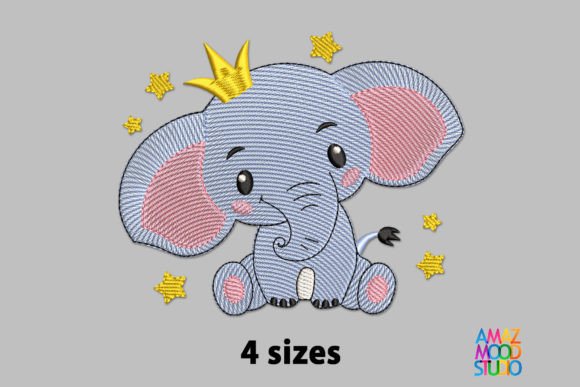
As an embroidery designer who has spent countless weekends behind a booth table, I know that not every design translates into sales. Some look beautiful on a screen but fall flat in person. Others are so complex they eat up your production time without commanding a higher price point. Today, I am reviewing the Cute Elephant machine embroidery design to see if it earns a spot in my upcoming craft fair lineup.
The premise is simple: this embroidery adds a lovely accent to any fabric. But does it hold up under the scrutiny of a busy market aisle? Let’s break down how this adorable design performs for handmade product creators, Etsy sellers, and boutique makers.
First Impressions and Visual Appeal
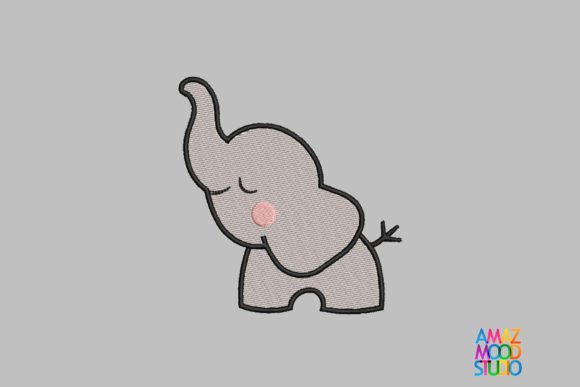
When I first loaded the Cute Elephant file into my software, the immediate vibe was soft, approachable, and undeniably sweet. It fits perfectly within the Baby Animals category, which is a perennial bestseller in the handmade world. The design does not try to be overly realistic or rigid; instead, it leans into a whimsical aesthetic that appeals to a broad demographic.
For a craft fair product, clarity is king. Customers walking past your booth have seconds to decide if they should stop. This design works because it is instantly recognizable. It feels decorative yet minimal enough to not overwhelm the fabric. Whether you are aiming for a modern nursery look or a rustic farmhouse feel, the elephant motif bridges the gap. It is not too childish for adults, nor too sophisticated for children, making it a versatile asset for your design portfolio.
Product Versatility for Market Sellers
The true test of any digital embroidery file is its adaptability. I evaluated where Cute Elephant would stand out among typical handmade items.
- Tote Bag Design: This is perhaps the strongest application. Placed centrally on a canvas tote, the elephant becomes a focal point that draws the eye. It transforms a generic bag into a personalized statement piece.
- Apron Embroidery: For kitchenware, stitching this on the bib of an apron adds charm. It suggests warmth and home cooking, appealing to buyers looking for giftable handmade products.
- Tea Towel Embroidery: Here, caution is needed. Tea towels have a loose weave. If the stitch density is too low, the fabric might show through. However, if the design is scaled correctly, it adds a premium touch to standard linens.
- Embroidered Patch: Creating iron-on patches is a high-margin small shop product. This design’s clean lines likely translate well to a patch format, allowing customers to customize their own jackets or bags later.
- Pillow Covers and Pouches: As an accent on neutral linen pillow covers or small fabric pouches, the elephant provides just enough visual interest without dominating the room’s decor.
Production Practicality and Batch Efficiency
From a business perspective, time is money. A design that takes forty-five minutes to stitch is hard to justify unless you are charging luxury prices. While the exact stitch count is not provided in the brief description, the phrase "lovely accent" suggests a moderate size suitable for quick turnover. This makes it ideal for batch production during the busy holiday season.
Photography is another critical factor. Does Cute Elephant photograph well? Designs with clear shapes and good contrast tend to pop in online listings for Etsy sellers. When creating a printable mockup or digital listing image, ensure you use high-contrast thread colors against the fabric. A dark grey elephant on a cream background, for example, will read better on a small mobile screen than a pastel-on-pastel combination.
Careful-Use Notes and Technical Considerations
Even the cutest design can fail if technical details are ignored. Here are my professional notes for executing this design successfully:
- Fabric Texture: Textured towels or thick denim can distort small details. If the elephant has tiny eyes or intricate inner lines, test on your specific fabric first. You may need to adjust the pull compensation in your software.
- Curved Surfaces: Stitching on caps requires careful hooping. The curved surface of a baseball cap can cause registration issues. Ensure the design is centered and consider using a stronger stabilizer to prevent puckering.
- Dense Stitch Areas: Check the stitch density. If the design is too dense for lightweight cotton, it will pucker. If it is too sparse for heavy canvas, it will look flimsy. Always run a test stitch on scrap fabric identical to your final product material.
- Thread Colors: Thread choice defines the mood. For a baby shower gift, soft pastels work. For a modern boutique item, consider monochromatic tones, such as white-on-white or charcoal-on-grey, to elevate the perceived value.
Enhancing Brand Consistency and Buyer Engagement
Incorporating Cute Elephant into your product line can strengthen your brand identity if you consistently use similar themes. If your shop focuses on gentle, nature-inspired goods, this design reinforces that narrative. It helps create a cohesive booth display where customers recognize your style immediately.
Furthermore, this type of design encourages engagement. People love animals. A well-stitched elephant on a tote bag often sparks conversations with potential buyers, giving you the opening to explain your process and the quality of your commercial embroidery work. It turns a static object into a conversation starter.
Final Designer Verdict
Before you commit to full production, remember that the product description mentions multiple embroidery file formats. This is crucial. Ensure you have the correct file for your machine model to avoid reading errors. Also, since the license terms are not explicitly detailed in the short description, you must confirm commercial licensing rights before selling finished products. Never assume a digital embroidery file includes commercial use rights without verification.
Create at least one real mockup. Compare how the design looks on different fabric colors. Does it vanish on black? Does it glow on yellow? These small tests save you from wasted materials and unhappy customers.
In conclusion, Cute Elephant appears to be a strong contender for craft fair sellers and handmade shop owners. It balances aesthetic appeal with practical production needs. By paying attention to stabilizer choices, thread contrast, and fabric texture, you can turn this simple design into a best-selling item. Whether used for a charming tea towel or a sturdy market bag, this design has the potential to add significant value to your creative entrepreneur toolkit.