Deer Outline: A Designer’s Review for Craft Fair Success
As an embroidery designer who has spent countless weekends behind a booth table, I know that not every design translates into sales. Some look beautiful on a screen but vanish in a crowded market. Today, I am reviewing Deer Outline, a machine embroidery design that promises to bridge the gap between digital precision and handmade charm. This review is written for craft fair sellers, Etsy shop owners, and boutique makers who need reliable, high-converting products.
First Impressions: Minimalism Meets Rustic Charm
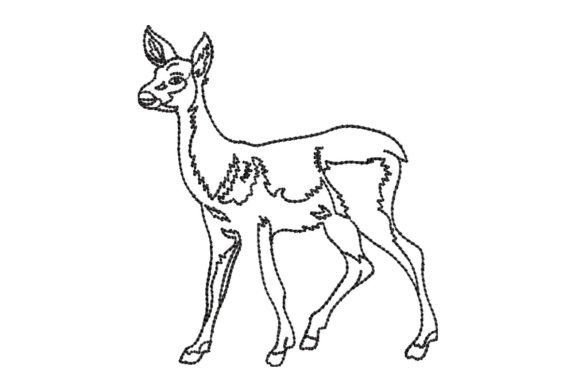
The first thing that strikes me about Deer Outline is its clarity. In a world of overly complex patterns, this design leans into a modern, minimal aesthetic. It feels rustic yet refined, fitting perfectly into the popular farmhouse and woodland decor trends. The description notes that it utilizes a beautiful combination of Tatami, Satin, and Run stitches. This mix is crucial. The Tatami fill provides substance without excessive bulk, while the Satin and Run stitches offer crisp definition to the deer’s silhouette.
For a craft fair product, immediate recognition is key. Shoppers walk past tables quickly. A design like Deer Outline works because it is instantly identifiable as a deer, yet stylized enough to feel contemporary. It does not scream "holiday only," which means it can sell year-round, unlike strictly festive motifs. This versatility is a major asset for any small shop product line.
Product Applications: Where This Design Shines
To determine the true value of an embroidery file, we must visualize it on tangible goods. Here is how Deer Outline performs across various handmade items:
- Tote Bag Design: This is perhaps the strongest application. The outline style scales beautifully on canvas or cotton totes. It acts as a focal point without overwhelming the fabric. Customers love tote bags that feel artistic rather than just functional.
- Apron Embroidery: Placed on the bib or pocket, this design adds a touch of elegance to kitchen wear. It appeals to buyers looking for giftable handmade products for hosts or home cooks.
- Tea Towel Embroidery: Linen or cotton tea towels are staple craft fair items. The run stitches in the design ensure it remains soft against the skin, avoiding the stiff feel of dense embroidery.
- Embroidered Patch: If you offer iron-on or sew-on patches, this outline is ideal. It holds its shape well when cut close to the stitch line, making it a durable accessory for jackets and backpacks.
- Caps and Hats: While possible, curved surfaces require caution. The design should be kept small to avoid distortion on the front panel of a cap.
Beyond these, consider pillow covers and market bags. The simplicity of the deer allows it to pair well with other woodland animals if you are building a cohesive collection. For Etsy sellers, this design also lends itself well to printable mockups, allowing you to showcase the product digitally before stitching a single thread.
Production Practicality for Batch Selling
When preparing for a weekend craft fair, time is money. Deer Outline appears designed for efficiency. The use of Tatami stitch suggests a moderate stitch density, which is faster to produce than heavy fills. This makes it suitable for batch production. You can hoop multiple items and let the machine run while you handle customers or package orders.
Photography is another critical factor. Designs with clear outlines photograph exceptionally well for online listings. The contrast between the thread colors and the fabric creates sharp images that pop on social media and Etsy search results. A clean design reduces the need for extensive photo editing, saving you hours of administrative work.
Careful-Use Notes and Technical Considerations
While the design is versatile, there are technical nuances to consider before committing to a large production run. Always check the specific details provided in the digital embroidery file package. Since the description mentions multiple embroidery file formats, ensure you select the correct one for your machine.
Be mindful of the following:
- Fabric Texture: On textured towels, fine run stitches may get lost. Test on a scrap piece first to ensure visibility.
- Dark Fabric: If stitching on navy or black, ensure your thread colors have enough contrast. Light grays or whites will make the outline stand out, while dark threads may render the design invisible from a distance.
- Stabilizer Choice: For stretchy fabrics like t-shirts or thin cotton totes, use a cut-away stabilizer to prevent puckering. For stable woven fabrics like aprons, tear-away may suffice.
- Hoop Size: Confirm the hoop size required. Do not assume; check the file details. Using the wrong hoop can lead to misalignment or truncated designs.
Enhancing Brand Consistency and Visual Appeal
Incorporating Deer Outline into your inventory can strengthen your brand identity if you specialize in nature-inspired or rustic goods. Consistency in design style helps customers recognize your booth or shop. When a buyer sees a cohesive look across your tote bags, patches, and home decor, they perceive higher quality and professionalism.
This design also encourages upselling. A customer buying a tea towel might be drawn to a matching embroidered patch. By using the same core design asset across different products, you create a unified display that is visually appealing and easy to shop.
Final Designer Verdict
Before listing Deer Outline as a commercial embroidery product or using it for finished goods, always perform a test stitch. Check the thread tension and inspect the back of the embroidery for loose threads. Create at least one real mockup to see how the design interacts with your specific fabric choices. Compare different thread colors to find the most striking combination.
Crucially, confirm the commercial licensing terms included with your purchase. Not all digital embroidery files allow for unlimited commercial use of finished products. Ensure you are compliant to protect your small business.
In summary, Deer Outline is a strong contender for craft fair success. Its blend of Tatami, Satin, and Run stitches offers a balance of speed and aesthetic appeal. It works exceptionally well on tote bags, aprons, and patches, providing a modern twist on classic woodland themes. For the experienced maker, it represents a low-risk, high-reward addition to a seasonal or year-round product line. With proper testing and strategic placement, this design can become a staple in your handmade repertoire.