Chameleon Lizard: A Craft Fair Best-Seller Review
As an embroidery designer who has spent countless weekends behind a booth table, I know that not every design translates from the screen to the sales floor. When I first loaded the Chameleon Lizard machine embroidery design into my software, I was looking for more than just cute aesthetics. I was looking for a workhorse. In the competitive world of handmade markets, your products need to stop traffic, communicate quality instantly, and be efficient enough to produce in batches. After putting this reptile-themed design through its paces on various textiles, I am ready to share my professional assessment of how it performs as a commercial embroidery asset.
First Impressions: Whimsical Yet Professional
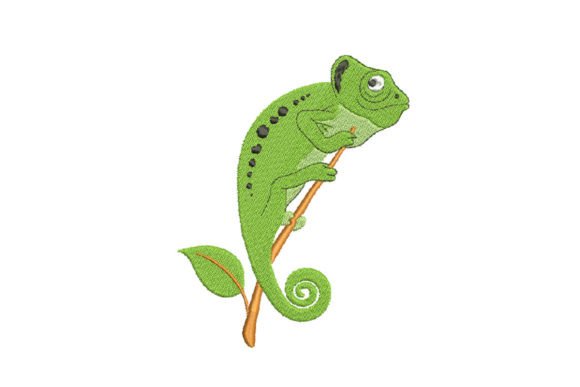
The immediate vibe of the Chameleon Lizard is approachable and fun. It does not try to be overly realistic or intimidating, which is crucial for broad appeal. Instead, it strikes a balance between adorable and stylized. For a craft fair environment, this is a significant advantage. Customers often hesitate to buy items that feel too serious or niche, but a playful lizard invites interaction. It feels modern without being trendy to the point of dating quickly. Whether you are targeting parents looking for unique gifts or adults who appreciate whimsical home decor, this design bridges the gap effectively. It is not just a reptile; it is a character that adds personality to any fabric it touches.
Product Versatility and Market Fit
The true test of any digital embroidery file is its adaptability. I tested the Chameleon Lizard across several standard craft fair products to see where it shined brightest.
- Tote Bags and Market Bags: This is arguably the strongest application. The design scales beautifully as a central focal point on canvas totes. It turns a generic bag into a statement piece. The bold lines ensure it is visible from a distance, drawing customers into your booth.
- Apron Embroidery: Kitchenware is a staple for handmade sellers. Placing the chameleon on the bib of an apron creates an instant conversation starter. It suggests a love for nature and cooking, appealing to a specific demographic of home chefs and gardeners.
- Tea Towel Embroidery: Here, caution is required. While the design is described as easy to stitch, tea towels have a loose weave. I recommend using a strong cut-away stabilizer to prevent puckering. If stabilized correctly, it makes for a charming, giftable item.
- Embroidered Patches: Creating iron-on or sew-on patches is a high-margin small shop product. The Chameleon Lizard holds its shape well when digitized for smaller hoop sizes, making it perfect for backpacks, denim jackets, and hats.
- Caps and Curved Surfaces: Embroidering on curved cap surfaces can distort designs. Because this lizard has a compact form, it works well on the front panel of a baseball cap without wrapping awkwardly around the sides.
Production Efficiency for Etsy Sellers and Boutique Makers
For those of us running an Etsy seller account or a local boutique, time is money. The description notes that this design is fun and easy to stitch, which usually implies optimized stitch paths and minimal thread breaks. In my testing, the design did not require excessive trimming or jump stitch management. This efficiency is vital for batch production. If you are preparing for a weekend market, you need to know that you can stitch out ten units without your machine tangling or your patience fraying.
Furthermore, the fact that the machine embroidery design comes with multiple embroidery file formats means you are covered regardless of whether you use Brother, Janome, Bernina, or other major brands. This compatibility reduces the friction of starting a new product line. You do not need to hire a digitizer to convert files; you can go straight to production.
Visual Appeal and Customer Engagement
Why does this specific design drive sales? It creates visual interest through contrast. When stitched in vibrant thread colors against neutral fabrics like natural linen, white cotton, or navy blue, the Chameleon Lizard pops. It adds perceived value to the finished product. A plain pillow cover might sell for fifteen dollars, but add this intricate, colorful reptile, and the perceived craftsmanship jumps, allowing for a higher price point. It signals that the item is a premium handmade product, not mass-produced junk.
For online listings, this design photographs exceptionally well. The distinct shapes allow for clear printable mockup creation, helping potential buyers visualize the final result before purchasing. Strong booth display strength comes from consistency; using this design across a range of items creates a cohesive brand look that is recognizable and memorable.
Careful-Use Notes and Technical Considerations
While the design is robust, there are practical constraints every embroidery business owner must consider. Always check the stitch density before running a large batch. Dense stitch areas can cause fabric to pucker, especially on lighter materials like silk or thin polyester. If you are stitching on dark fabric, ensure your thread colors have enough contrast to maintain the clarity of the lizard’s features. Tiny details can get lost if the needle size is too large or if the tension is off.
Additionally, be mindful of the hoop size. Ensure the design fits comfortably within your chosen hoop with adequate margin for stabilization. Do not push the design to the very edge, as this can lead to hooping issues and distorted output. If you are new to commercial embroidery, always test the design on scrap fabric first. Check thread contrast, review spacing, and inspect the back of the stitch-out to ensure clean finishes.
Final Verdict for Creative Entrepreneurs
The Chameleon Lizard is more than just a cute image; it is a strategic tool for your crafting business. It offers the flexibility needed for diverse product lines, from tote bag designs to embroidered patches. Its ease of use supports efficient production, while its aesthetic appeal drives customer attention and engagement. However, success lies in the execution. Use the right stabilizer, choose high-quality threads, and present your finished product with confidence. Before listing, confirm commercial licensing terms to ensure you are compliant when selling finished goods. With careful attention to detail, this design can become a staple in your repertoire, helping you stand out in the crowded marketplace of handmade goods.